 403 MacKenzie Way SW #5121, Airdrie, AB T4B 3V7, Canada
Many people wonder why some individuals never seem to get cavities, even when they eat sweets or sometimes skip brushing. Cavities, also called dental caries, are holes in teeth caused by bacteria, sugar and poor oral care. While most people need regular dental checkups to prevent cavities, some people seem naturally protected. A dentist in Airdrie, AB, explains why this happens and what factors can help keep teeth healthy.
Genetics: No Cavities Genes
Some people are born with stronger tooth enamel. Enamel is the hard outer layer of your tooth. If your enamel is thick and dense, bacteria have a much harder time getting through it.
Genetics also affects the shape of your teeth. Teeth with deep grooves and pits are more likely to trap food and bacteria. People with flatter tooth surfaces have fewer hiding places for plaque to accumulate.
Your genes also shape what types of bacteria live in your mouth. Some people naturally carry fewer Streptococcus mutans bacteria — that is, the main bacteria that cause tooth decay. If you have less of this bacteria, your risk of cavities goes down significantly.
Saliva: A Natural Protector
Saliva helps to wash away food particles and bacteria from teeth. It also contains minerals such as calcium and phosphate, which help repair early enamel damage. Some people naturally produce more saliva, which helps to protect teeth from cavities.
People with reduced saliva production, due to medications or specific health problems, may develop cavities more quickly. Good hydration and chewing sugar-free gum can stimulate saliva and help to prevent cavities.
Diet and Eating Habits
Diet plays a vital role in cavity prevention. People who eat less sugar and fewer acidic foods naturally have a lower risk of cavities. Sugar feeds the bacteria in your mouth. When bacteria eat sugar, they produce acid. That acid is what slowly destroys your enamel.
Some people naturally eat less sugar — not because they are trying hard, but because of personal taste or lifestyle. This gives their teeth a natural advantage.
Drinking water, especially fluoridated tap water, also helps rinse the mouth and strengthen enamel throughout the day.
Brushing and Flossing Habits
Even if genetics are on someone’s side, proper oral hygiene is still essential. Brushing twice a day with fluoride toothpaste and flossing daily removes plaque and bacteria. Plaque is a sticky film of bacteria that causes cavities and gum disease.
People who have good brushing and flossing habits are less likely to develop cavities. Using the correct brushing technique and cleaning all tooth surfaces, including the gum line, is key to preventing cavities.
Dental Checkups and Preventive Care
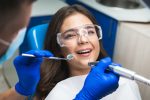
Visiting a dentist regularly helps prevent cavities. Dentists can detect early signs of tooth decay before they become serious problems. Professional cleanings help to remove plaque and tartar that home care might miss.
Dental sealants, a protective coating applied to chewing surfaces, can also prevent cavities, especially in children and teenagers. Even people with “no cavities genetics” benefit from preventive dental care to maintain healthy teeth.
How Some People Avoid Cavities Naturally
Some people have a combination of factors that make them resistant to cavities. Strong enamel, good saliva flow, a healthy diet and careful oral hygiene all work together to protect teeth.
Even without perfect habits, these natural advantages can reduce the risk of cavities. However, no one is entirely immune. Tooth decay can still happen, especially if oral hygiene is neglected or the diet is high in sugar and acidic foods.
Promoting Healthy Teeth in Everyone
While genetics play a role, anyone can improve oral health. Simple steps like brushing and flossing correctly, limiting sugary snacks, drinking water and visiting a dental clinic near you can significantly reduce the risk of cavities. Maintaining strong enamel and healthy gums helps teeth last longer.
Call Airdrie Family Dentists Today!
At Airdrie Family Dentists, we provide professional dental care for patients of all ages. Our clinic offers services like dental exams, cleanings, crowns, and preventive care to keep your teeth healthy. We focus on safe, gentle treatments using modern dental technology. Our team also provides brushing and flossing advice to help you maintain strong teeth.
Call Airdrie Family Dentists today to schedule an appointment. Let us help keep your smile healthy and bright!
FAQ
Can I improve my cavity resistance even if my genetics are not great?
Yes. Good brushing and flossing habits, a low-sugar diet, fluoride use, and regular dental visits can significantly lower your cavity risk regardless of genetics.
Is it true that some people are just immune to cavities?
Not exactly immune, but some people have natural advantages, such as stronger enamel, better saliva quality, or fewer cavity-causing bacteria in their mouths.
How do I know if I have cavity-prone teeth?
A dentist can examine your enamel, check your saliva, and review your dental history to give you a better picture of your personal cavity risk.
Does drinking more water help prevent cavities?
Yes. Water rinses away food and bacteria, and fluoridated water helps strengthen enamel throughout the day.
How often should I visit a dental clinic near you for checkups?
Most dentists recommend visiting every six months for a cleaning and exam to catch any early signs of decay before they become bigger problems.