 403 MacKenzie Way SW #5121, Airdrie, AB T4B 3V7. Canada
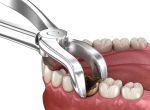
Having a tooth removed can leave you wondering how much soreness, swelling, or bleeding is normal and when you will feel like yourself again. If you are receiving care at a dental clinic in Airdrie, it helps to know that recovery depends on the tooth, the complexity of removal, your general health, and how closely you follow the aftercare instructions. A simple extraction may settle sooner than surgery for a broken or impacted tooth.
Healing also happens in stages: the priority is protecting the blood clot, then managing swelling and discomfort while the gum begins to close. The following day-by-day guide explains common changes, practical ways to care for the area, and warning signs that deserve a call to your dental team. Your own instructions should take priority over general advice.
The First 24 Hours: Protect The Blood Clot
A blood clot forms in the socket after the tooth is removed. It helps protect the underlying tissue while healing begins. If the clot is disturbed or lost, the socket may become very painful and healing can be delayed.
During the first day:
- Bite on gauze for the period recommended if bleeding continues. Replace it as instructed rather than checking the socket repeatedly.
- Rest and avoid strenuous exercise, heavy lifting, or activities that raise your heart rate significantly.
- Do not rinse forcefully, spit repeatedly, or use a straw unless your dental team tells you otherwise.
- Avoid smoking or vaping. These can interfere with healing and increase the risk of complications.
- Choose soft, cool or lukewarm foods and drink water. Avoid very hot food while the area is numb.
- Take prescribed or approved pain medicine only as directed. Do not place aspirin or other tablets directly on the gum.
A little blood-tinged saliva can occur early on. Heavy bleeding that continues despite the recommended pressure needs prompt advice.
Days 2-3: Swelling and Tenderness May Peak
Swelling, jaw stiffness, bruising, and tenderness often become more noticeable during the first couple of days, particularly after a surgical extraction. These symptoms should gradually begin to improve rather than continue to worsen. Follow the instructions provided about cold compresses, medication, and any recommended follow-up.
Continue with soft foods such as eggs, yoghurt, oatmeal, mashed vegetables, or tender pasta. Chew away from the extraction site when possible. Avoid sharp, crunchy foods that can irritate the socket, as well as seeds or small particles that may lodge in the area.
After the first 24 hours, gentle warm salt-water rinses may be recommended. Let the water move around the mouth gently and allow it to fall out without forceful spitting. Brush the other teeth carefully, taking care not to scrub the socket.
Days 4-7: Look for Steady Improvement
Pain and swelling should generally be easing by this stage, although the pace varies. You may gradually add more foods as comfort allows. Keep the area clean and follow any restrictions given for exercise, smoking, or rinsing. Do not stop prescribed medicines or change doses without professional advice.
Contact your dental team if pain suddenly becomes much worse after it had started to settle, particularly if it radiates toward the ear or is accompanied by an unpleasant taste or smell. This may indicate dry socket or another complication. Fever, pus, increasing swelling, or persistent bleeding also warrants assessment.
The Following Weeks: The gum Closes As Deeper Healing continues
The gum may look as though it is closing before the bone beneath has finished healing. A small hollow can remain for a while. Avoid poking it with your tongue, fingers, or objects. If food collects there, use only the cleaning method recommended for your procedure.
The tooth extraction recovery timeline varies with the location of the tooth, whether bone or gum surgery was needed, the number of teeth removed, and factors such as smoking or some health conditions. Do not judge recovery by appearance alone. Attend any advised review and ask when it is appropriate to resume your usual diet and activities.
When To Get Help
Seek prompt dental advice for worsening pain after initial improvement, fever, pus, persistent bleeding, or swelling that is increasing rather than settling. Rapidly spreading facial or neck swelling, or difficulty breathing or swallowing, is an emergency and needs immediate medical help.
Care involving tooth extractions in Airdrie should come with instructions tailored to the procedure. If something feels wrong, contacting the dental team is safer than trying to diagnose the cause at home.
Give Healing The Conditions It Needs
Recovery is easier to manage when you protect the clot, keep the mouth clean without disturbing the socket, and watch for changes rather than expecting every day to feel the same. Book a consultation with Airdrie Family Dentists if you have questions about an upcoming extraction or concerns about your healing.
FAQs
How long does it take for an extraction site to close?
The gum often begins to cover the socket over the following weeks, but the timing varies with the tooth and procedure. Bone healing takes longer than the surface gum healing. Avoid probing the area, and follow the specific cleaning instructions given after your extraction.
Is swelling normal a few days after a tooth extraction?
Some swelling and bruising are common and may be most noticeable during the first two or three days. It should then gradually improve. Swelling that continues to increase, spreads, or occurs with fever, pus, or worsening pain should be assessed promptly by a dental professional.
When can I eat normally after an extraction?
Return to your usual foods gradually as soreness improves and as your dental team advises. Soft foods are usually easier at first. Avoid hard, crunchy, sticky, or very hot foods while the area is tender, and chew away from the socket when practical.
What can cause dry socket?
Dry socket can occur when the blood clot is lost or breaks down before the socket has healed sufficiently. Smoking, suction from straws, and forceful rinsing may increase risk, although it can happen without an obvious cause. Severe or worsening pain after initial improvement deserves dental assessment.
When should I contact a dentist during recovery?
Contact the dental team about pain that worsens, bleeding that does not settle with directed pressure, fever, pus, or growing swelling. Difficulty breathing or swallowing, or rapidly spreading swelling, requires emergency help. If recovery differs sharply from the instructions you received, ask for advice rather than waiting.